

International confidence in the environmental performance of Mobarakeh Steel;
Global Certificate for Iran's Green Steel
me-metals:The world’s steel industry stands at the intersection of innovation and sustainability, where waste reduction, energy efficiency and accurate carbon emissions management are no longer a choice, but a condition of survival. The Climate Action Plan of the World Steel Association sets the international benchmark for the intensity of CO2 emissions and forces companies to transparency and report. Meanwhile, Mobarakeh Steel, with 15 years of continuous presence, is a rare example of convergence between industrial growth, data transparency and operational stability globally.
According to me-metals, Today’s world’s steel industry is at a critical point of transformation, where innovation, energy efficiency, and resource scientific management have become a measure of corporate success. In this direction, operational sustainability has become one of the most important indicators of competition, and companies that can adopt a data-driven strategy and technology will be at the forefront globally. From this need, the World Steel Climate Action Programme (World Steel Climate Action Programme) was formed, a program that has created a global standard for monitoring, measuring, and comparing carbon emissions intensity (CO2 intensity) in the steel industry since 2008.
The program provides a platform for companies to record and report real data on their production, energy consumption and emissions of greenhouse gases. Each annual report, after verification and analysis, allows comparison of the company’s performance with the global average, and companies consistently and transparently receive the Climate Recognition certificate.
Strategic tool for long-term development
But the importance of the climate action program goes beyond a technical criterion. This program offers a strategic tool for decision-making and long-term development of the steel industry. With data standardization, companies can report the intensity of their CO2 emissions and measure their performance with a global average. In a world where environmental policies and laws change rapidly, access to accurate data allows for predicting and managing financial and operational risks associated with carbon emissions. In addition, membership in the program provides companies with an opportunity to gain more credibility and trust from the perspective of investors and international partners, providing the groundwork for the implementation of renewable energy projects, decarbonization and process optimization. In fact, the climate action program helps companies to turn sustainability into an integral part of their operational and investment strategy and navigate their path with scientific data and analysis.
Global pioneers in the path of sustainability
Over the course of over a decade, companies such as ArcelorMittal, POSTCO, Tata Steel, JFE Steel and Nippon Steel have been a clear example of success in the climate action program. By recording continuous and accurate data, monitoring the performance and implementation of their operations with international standards, these steelmakers have not only received a climate action certificate, but have also become a global model for combining economic productivity, technology and social responsibility. Their continued presence shows that sustainability, productivity and economic logic can be implemented at the same time. The strategic feature of global pioneers is the focus on data and technology, transparency in reporting and investment in green projects, which has paved the way to move towards low-carbon and smart steel and has stabilized their competitive stability and global credibility.
Mobarakeh Steel's Place in the Global Climate Action Program
According to a new report by the World Steel Association, nearly 200 steel companies from around the world participate in the International Climate Action Program, a program known as one of the most prestigious global mechanisms for monitoring and comparing the intensity of carbon emissions (CO2 intensity) in the steel industry. Among these companies, only 58 companies have been able to receive a climate action certificate, and of these, 28 companies have been able to participate in this program for 15 consecutive years without interruption.
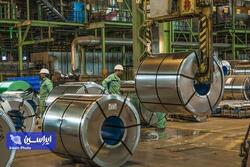
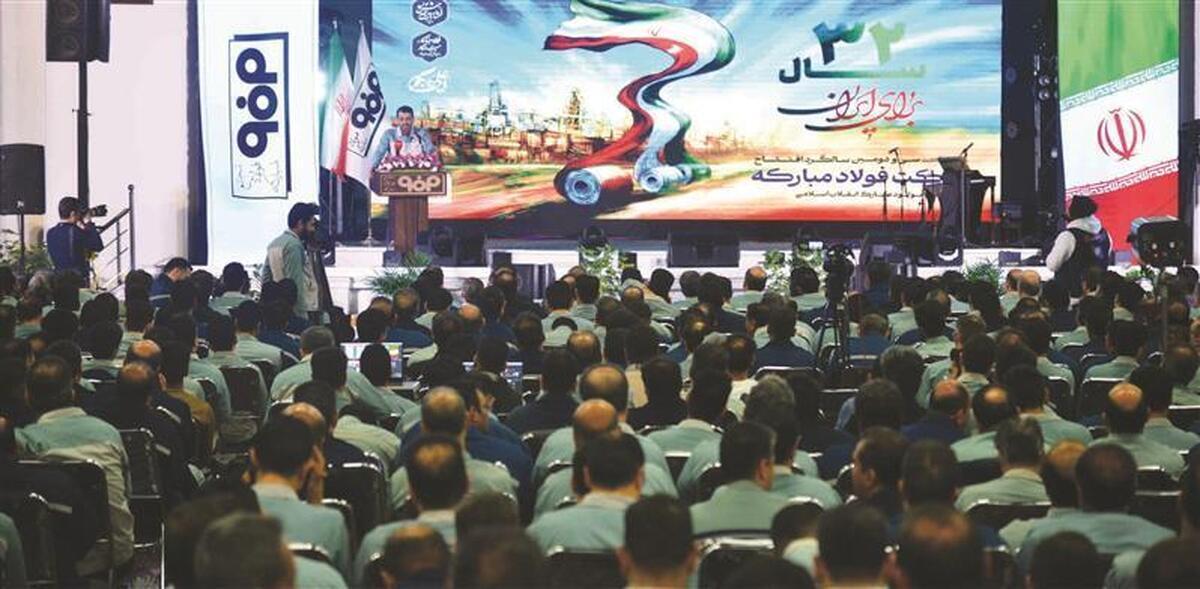
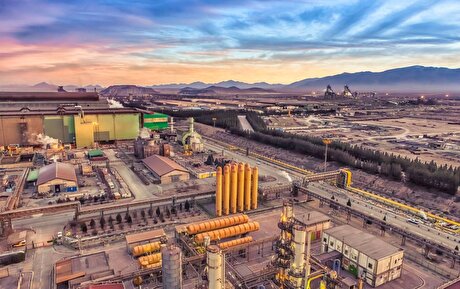
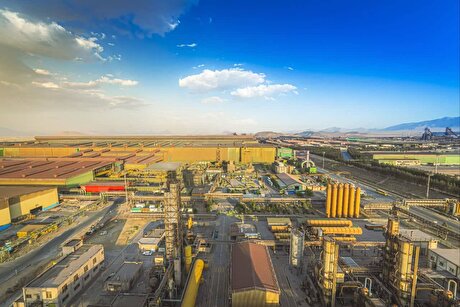
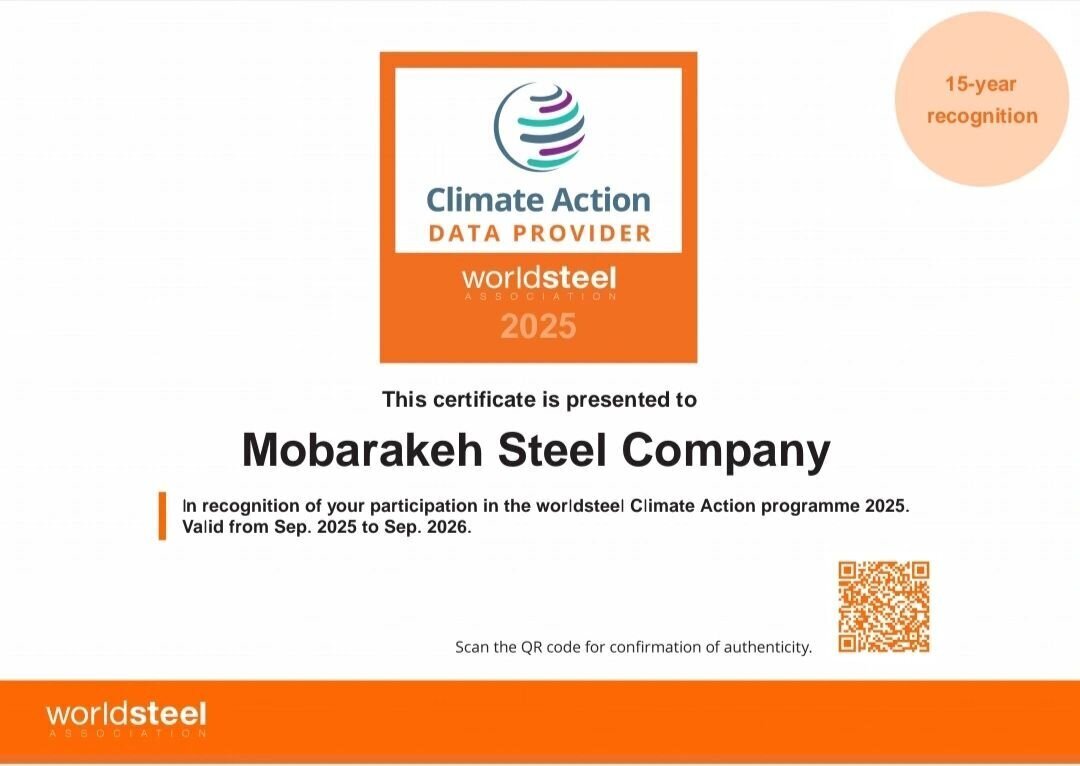
The name of Isfahan's Mobarakeh Steel is among these 28 companies, which is the result of stability in environmental policies, data transparency and a real commitment to sustainability. The official certificate issued by Worldsteel for 2025 confirms the 15-year participation of Mobarakeh Steel in the Climate Action Plan and the acceptance of the company's data as part of the global measure of carbon emissions in the steel industry. This certificate is not just a title; it is an international document of global confidence in the environmental performance of Mobarakeh Steel.
The Green Route of Mobarakeh Steel
In recent years, Mobarakeh Steel has taken effective steps in the path of decarbonization path by implementing projects such as the development of solar power plants, improving energy efficiency, the establishment of a greenhouse gas accounting system, and the calculation of carbon footprint. In addition, the company has obtained international certifications of ISO 14064 and ISO 14067 and pursues long-term plans for green steel production based on scientific data and new technologies. The name of Mobarakeh Steel among the leading global companies is not only an honor for Iran’s steel industry, but also a sign of the global capacities of this complex on the path of sustainable and responsible development.
Related News
Top News
twenty-one Minutes ago