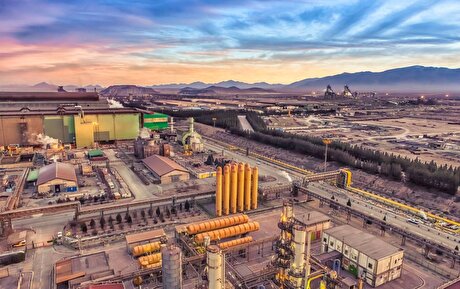
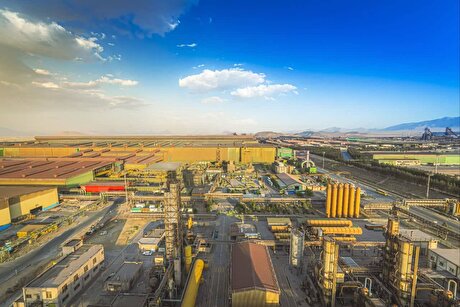


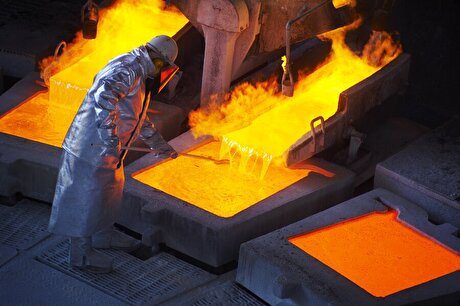
Rotating Economy Approach and Sustainable Resource Management in Mobarakeh Steel
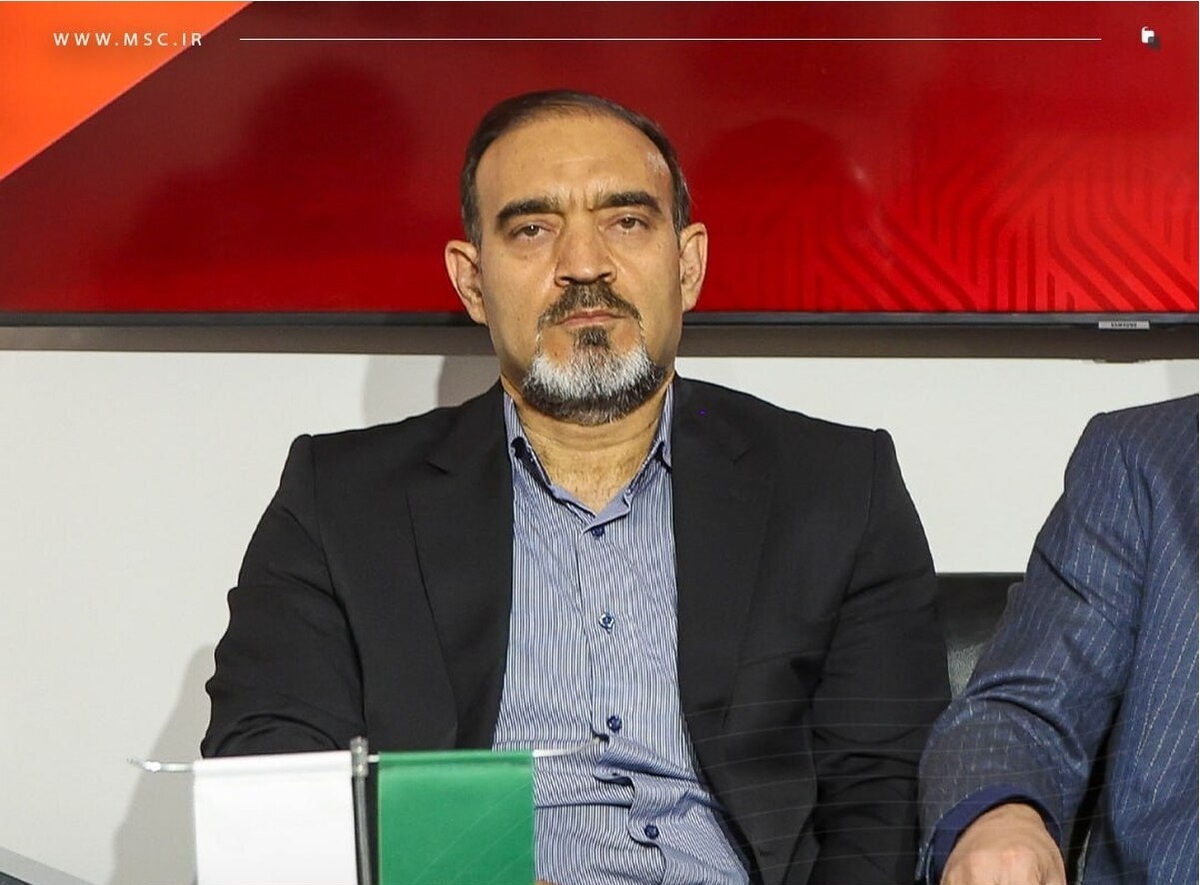
me-metals:Mohsen Sattari, head of cold and hot water production, Deming and steam of Mobarakeh Steel Group, also described the company's actions in the field of energy, environment and resource management, referring to the active approach of Mobarakeh Steel in the face of energy imbalance and environmental challenges.
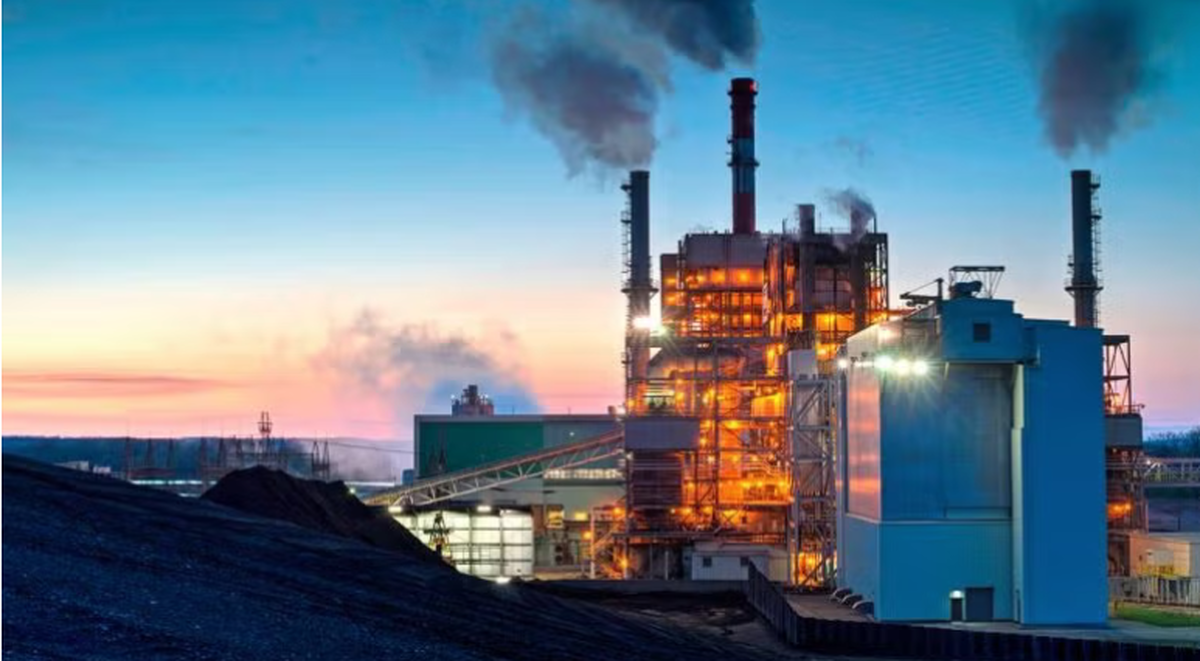
According to me-metals, Sattari said that Mobarakeh Steel had not had a "passive approach" against electrical energy imbalance and natural gas, saying the company has been planning to produce energy within the complex for many years. According to him, the construction of F-class combined cycle power plants and the development of renewable energy have been the two main axes of this strategy.
He added that in the framework of the rotating economy policies, Mobarakeh Steel has set a goal to provide 20 percent of its electrical energy from clean sources; Accordingly, the company's 600 MW solar project has entered the operation phase in the Isfahan Mountains region and its development is continuing. It is currently 120 MW into orbit. Also, investment for the construction of about 200 megawatts of wind power plants in the Sangan region has been on the agenda.
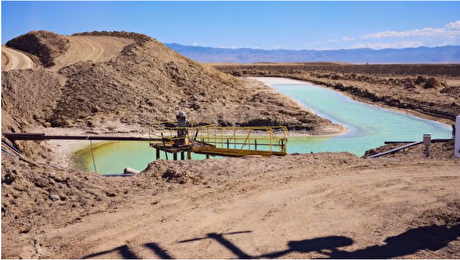
In another part of his speech, Sattari referred to the company's extensive measures in the field of water management and said that Mobarakeh Steel is one of the country's leading industries in the use of urban wastewater in industrial applications. According to him, the company has put the full recycle of internal wastewater as well as the use of the surrounding cities' wastewater on the agenda and has achieved significant results.
He explained about the water transfer project that the project is being implemented in two phases. According to him, the first phase, which includes the piping of the Chadormalu region and Kerman to Mobarakeh Steel, will be officially operational in the next week or two, and the experimental water transfer has also begun. The second phase of the project is the transfer of water from the Oman Sea, which will completely address the environmental concerns caused by the increase in salinity due to the connection of the sea to the ocean.
Referring to the global challenge of decarbonization in the steel industry, Sattari said about seven percent of the world's total carbon emissions are related to the steel industry, and the EU's policies to impose serious restrictions on the import of carbon products have required companies to move faster towards reducing greenhouse gas emissions. He emphasized that Mobarake Steel has designed its plans within the framework of the three axes of the rotating economy - protecting basic resources, reducing consumption in the process of production and recycling or reusing waste - and is continuously running.
The head of cold and hot water production, Demin and steam of Mobarakeh steel also referred to the company's extensive cooperation with the Environmental Protection Organization, the environmental departments of the province and the city, and environmental NGOs. He said these interactions include consultative meetings, student visits, visits by environmental activists and providing continuous reports on the progress of environmental projects, and these activities have been welcomed and satisfied by specialized institutions.
In the end, he emphasized that environmental concerns are not an obstacle to progress, but a driver for improving performance, and Mobarakeh Steel is trying to maintain and strengthen the quality of the environment of the region, the health of the employees and the peace of the surrounding community as an organizational priority.
Related News
Top News
Eleven Days ago
Eleven last month