



Director of Metallurgy and Methods of Mobarakeh Steel Production announced:
Production of S235J2W Grade in accordance with global standards in Mobarakeh Steel
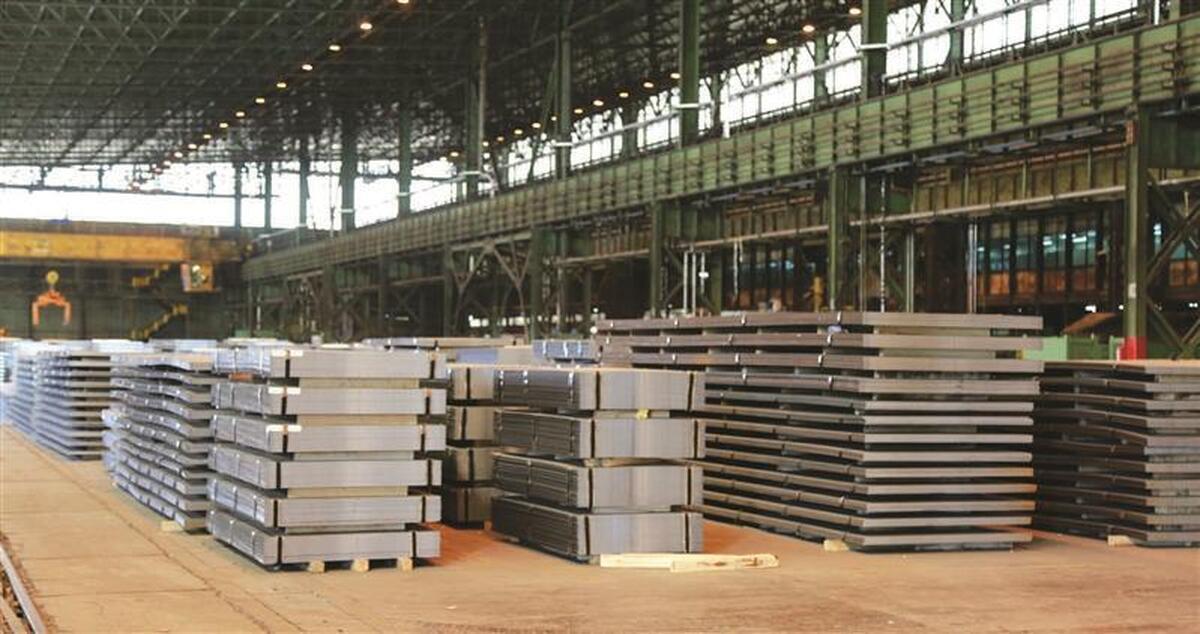
me-metals - In line with the strategic goal of the development of the Mobarakeh steel product portfolio, the production of the S235J2W grade was put on the company's agenda as another product of the atmospheric corrosion-resistant steel family (Weather Resistance Steel) and with the collective efforts of various parts of Mobarakeh Steel, it was successfully produced in accordance with global standards.
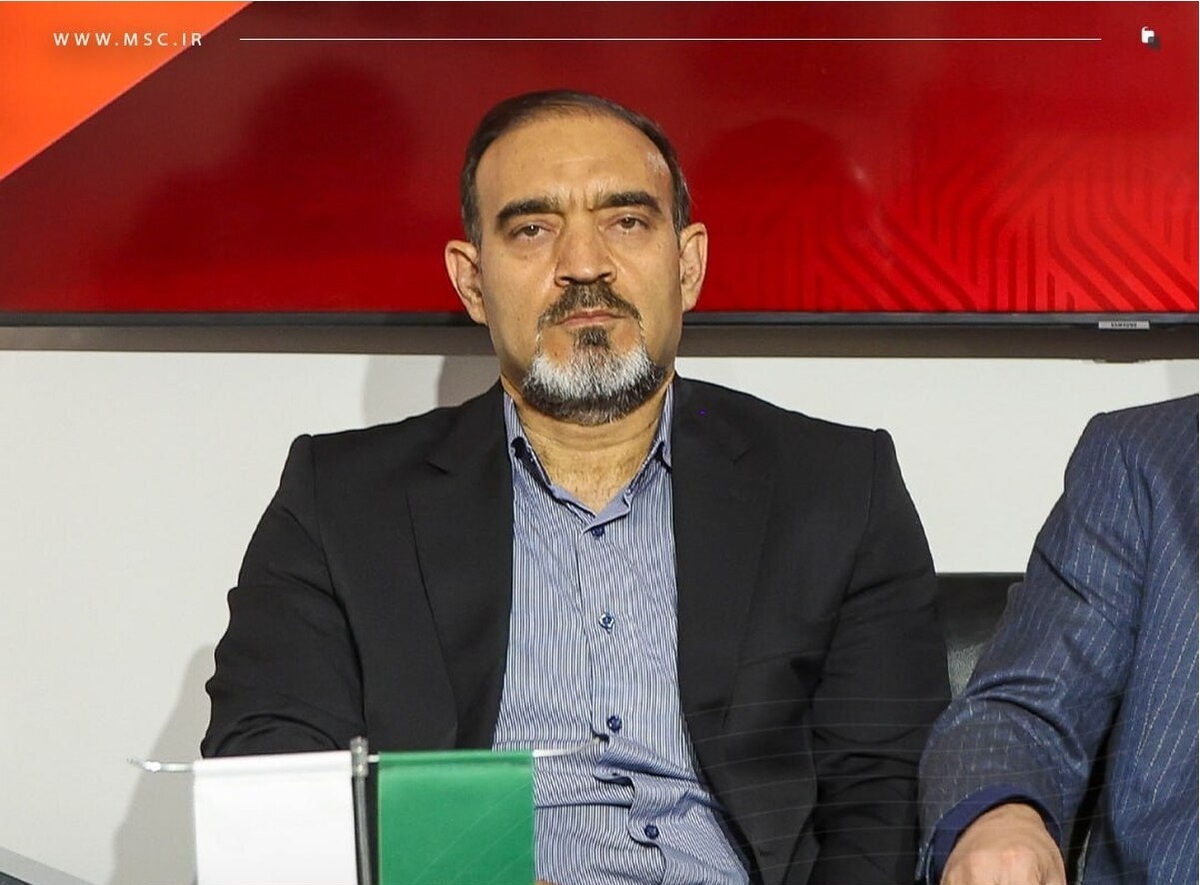
According to me-metals, Alireza Molavizadeh, Director of Metallurgy and Methods of Mobarakeh Steel Production, said: "The S235J2W grade is a new product in accordance with the EN10025-5 edition of 2019, which has been designed and produced for the first time in the country in a wide range of dimensions (the thickness of 2 to 16 mm). This category of products, due to the presence of copper (Cu) as the main alloying element and other elements such as chromium (Cr), has a great resistance to corrosion compared to conventional building steels, and their lifespan is more than five times more common than construction steels.
Following the production of this valuable steel grade, some of the presidents and experts in the sectors related to the production process of this product said:
Masoud Nasiri, Director of Hot Rolling Line: The hot rolling unit has always cooperated in order to meet the goals of the company in the field of producing new products and meeting the new needs of domestic and export markets, and has tried to reduce stops and maintain the production process, by providing equipment standby and effective inspections, allowing the production conditions of new products to be planned and operational.
Improving the quantitative and qualitative indicators of hot rolling with the development of product portfolio is one of the most notable things in this field. The rolling of this product in the hot rolling line should be due to the support and assistance of management, the efforts of all colleagues in different parts of the company, including the hot rolling line. With the successful production of this new product in the hot rolling unit with desirable quality and achieving the desired properties of the customer, now this grade is on the list of Mobarakeh steel products, and if you receive mass orders, the needs of domestic and export customers can be met.
Babak Shahriari, Head of the Troprosse Unit: The reason for the high resistance of these steels to corrosion is the formation of a continuous and sticky layer of oxidative on the surface of the metal, which protects the base steel against oxidation and rust in the form of an impenetrable barrier. The formation of this oxide layer, called PATINA, is influenced by various factors, including product chemical analysis and environmental conditions. The presence of elements such as chromium, copper, nickel and even phosphorus (in a certain family of these steels) leads to an increase in the speed of formation of this layer and its greater stability. In the meantime, the elements of copper and chromium, by creating oxidized complexes, play a significant role in the corrosion resistance of this steel.
Ehsan Sadeghi, Metallurgy Expert: The remarkable point in using these steels is that the suitable atmospheric conditions for the formation of patina are the continuous conditions of humidity and dryness; This means that this steel must be placed in an environment that experiences moisture and dryness periodically. Always wet environments do not allow the formation of the appropriate oxide layer, and this should be considered by structural designers. Also, environments containing chlorine corrosive ion (Cl⒒) can remove the patina layer and make the metal susceptible to corrosion. In such cases, the use of nickel and molybdenum can help to further resist the oxidized layer against corrosive ions.
Seyyed Farzad Timori, expert on the process of continuous steelmaking and casting: In today's industries, especially material engineering, atmospheric corrosion-resistant steels have become a special place and importance as an economic and durable option for humid and polluted environments. The steel grade S235J2W, according to EN 2005, is one of the most popular building alloys with atmospheric oxidation resistance.
With the benefit of alloying elements such as nickel, copper and chromium, this steel has an ideal combination of strength, welding and durability in corrosive environments, and by creating a protective layer on the surface that prevents corrosion progress, it increases the life of the structure without the need for additional coatings.
To achieve a high-quality product that has the desired properties in the design of the S235J2W grade, continuous casting parameters must be carefully adjusted and monitored, because this type of steel is sensitive to separation and surface cracks due to the presence of copper and chromium elements; Therefore, it is necessary to adjust the amount of moderate cooling in the mold and secondary cooling area, the mold powder should be used with low fluoroor and phosphorus content. Fortunately, with the design and accurate implementation of all these data-x-items in the continuous casting unit, a new and high-quality product was successfully produced in order to create a greater variety in the basket of Mobarakeh steel products.
Hossein Mohammad Ghasemi, a secondary metallurgy production expert: The addition of new grades to the Mobarakeh steel product collection with two goals of creating more economic added value and meeting the needs of the country's downstream industries is being pursued with seriousness. The tight cooperation of the steelmaking area with the metallurgy unit and the production methods and the hot rolling area play an effective role in advancing this goal. As the main location of chemical composition and molten treatment, the secondary metal is one of its important goals of studying and producing new steel grades. The production of atmospheric corrosion-resistant steel, while requiring the precise adjustment of copper, nickel and chromium elements, requires the process of purification and refining of non-metallic ages, which was done well and successfully in this unit. By updating the secondary metallurgy and cauldin furnace process guidelines, the readiness of the steelmaking area to produce valuable and new grades will increase increasingly.
Seyyed Mahmoudmani, hot rolling process engineer: This product was introduced with a width of ۵/۱ meters and in different thicknesses of 8 to 15 mm for use in related uses. Due to the newness of the grade and the variety of process conditions for its production in different thicknesses, a comprehensive review was conducted based on calculations and simulations, as well as similar product records, to ensure the possibility of producing this type of product in different dimensions in a stable way and without the risk of stopping and the associated damages in the hot rolling line.
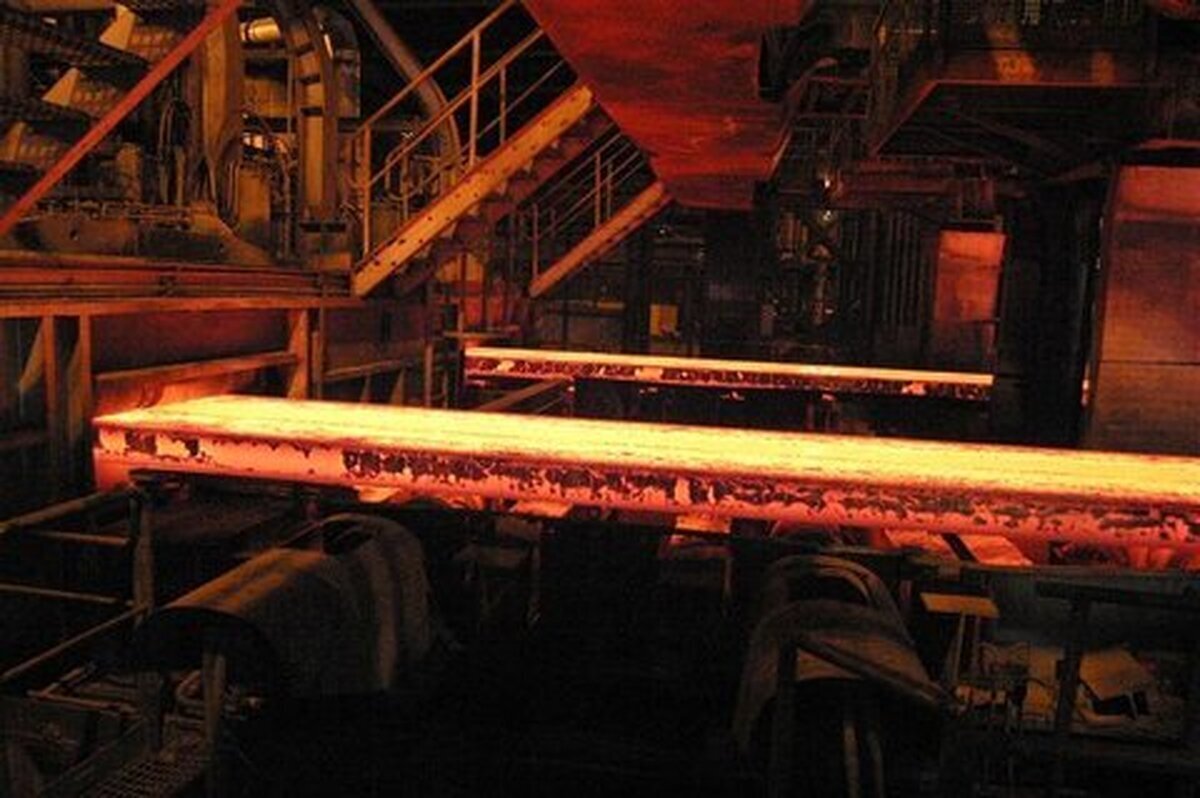
Accordingly, and by calculating and defining the initial technical values in different parts of the hot rolling line, including pre-hot furnaces, preliminary and final rolling furnaces, cooling and coils, preparation and testing tests were carried out for the production of two coils in each of the requested thicknesses, and the necessary changes were made to optimize them based on the actual results of the tests. Among the important points in the production of this grade with the desired dimensions were the conditions for the shape of the head of the sheet to the coils, which, if inappropriate, was the possibility of causing the product and failure, as well as the stop line, which was determined and observed the necessary predictions in the upstream parts of the hot rolling line, we faced the appropriate conditions in this regard, and the passage of the sheet and coil was done appropriately. Also, due to the importance of achieving the mechanical properties of the customer, the necessary assumptions were determined and implemented for the conditions of the hot rolling line on the rolling and cooling shelves.
Gholamreza Yazdani, Head of the Hot Products Sales Department: Over the past years, many customers in the field of construction and industrial contractors needed steel, which, in addition to the proper strength of the earthquake, also has a long-term durability in corrosive environments.
The new grade, which is actually an upgraded generation of construction steels, is a very suitable option for use in structures located in wet and coastal areas due to its high resistance to atmospheric corrosion and humidity.
The announcement of the need on the part of the market was the starting point of this innovation, and due to the extensive need of the domestic market and the export capacity of this product and with the aim of increasing the added domestic value in the construction chain, it is predicted that due to the cost-effectiveness of this product, a significant share of the construction steel market will be allocated, and in this way, an important step should be taken to transform the metal structure market and reduce dependence on imports, which is currently underway from China, Turkey and India. Certainly, the use of steel structures due to the speed of implementation than concrete, better resistance to earthquakes and corrosion, the possibility of modern designs and the stylization of structures will move industrial and infrastructure projects to further use of these structures and change the construction pattern.
In the end, it is noted that the production of this special product, which has been done with the collective efforts of all the production and support units of Mobarakeh Steel and is responsible for its marketing and sales unit, in addition to the development of the capacity of Mobarakeh Steel in the production of a variety of special products, has made our country free from the import of another type of steel sheet and the withdrawal of currency in this sector. It is also possible to import in the field of exports by mass production of this grade, in addition to supplying the domestic market, and it can be exchanged for the country, which is worthy of appreciation.
Mohammad Rahmati, an environmental expert on Mobarakeh Steel: Mobarakeh Steel Company, as the largest steel producer in the Middle East, has always put environmental sustainability and carbon neutrality at the heart of its strategies. The company is implementing comprehensive programs with the aim of reducing greenhouse gas emissions by 30 percent by the year 1410 and achieving green/carbon neutral steel to the 2050 horizon. Among these initiatives are the deployment of a carbon management system and greenhouse gas accounting, the calculation of carbon footprints based on international standards, and the implementation of rotational economic projects.
In this regard, and in accordance with the strategic goals of the development of the product portfolio, Mobarakeh Steel has produced the S235J2W grade of the family of atmospheric corrosion-resistant steels (Weathering Steel) for the first time in the country. Since this product has a long durability and durability, it has significant positive effects on the environment in the Life Cycle (LCP). According to research and evaluations, corrosion-resistant steels such as S235J2W reduce the need for periodic coloring and maintenance, which minimizes the emission of volatile organic compounds (VOC) and reduces energy consumption and chemicals. Also, the longer life of these steels leads to a decrease in demand for new steel production, which in itself means saving natural resources, reducing carbon dioxide emissions in the production process and reducing industrial waste. Finally, by promoting reuse and recycling, this product helps reduce the overall environmental impact of the industry and reduce ecotoxity (environmental toxicity) in the steel life cycle.
Atmospheric corrosion-resistant steels such as S235J2W are produced by some of the world’s top steelmakers, and their positive environmental effects have been studied in their sustainability reports. SSAB Sweden, as the official license holder of COR-TEN (the most famous Weathering Steel brand), produces these products and emphasizes their environmental and climate benefits.
U.S. companies such as Nucor Corporation and United States Steel Corporation (U.S.S. Steel) is also a leader in the production of these grades, and in their sustainability reports, they have pointed to reduced resource consumption and improved life cycle efficiency. Also, Steel Dynamics, Inc. (SDI) delivers these products, and studies show that their use can reduce the environmental and carbon footprint effects on the entire life cycle; therefore, the production of this product by Mobarake Steel is not only a national achievement, but also a step aligned with global standards for building a sustainable and green future.
Related News
Top News
Eleven Days ago
Eleven last month