

Global necessity: transitioning away from fossil fuels
National Copper Company's leadership in the transition to renewable energy
me-metals: Over the past half century, economic growth and improved living standards have led to a significant increase in energy demand and a significant decrease in fossil fuel reserves; estimates show that these resources alone will not meet global energy needs within the next 30 to 40 years.
According to me-metals cited from Mes Press, Meanwhile, global electricity consumption is doubling approximately every 14.5 years, a growth that current electricity generation capacities cannot fully keep up with. Yet, about 60 percent of the world's electricity is still supplied by fossil fuels, an issue that has had widespread environmental and climate consequences.
In such circumstances, moving towards a low-carbon economy and developing renewable energies is no longer an optional choice, but has become a strategic necessity for the future of the world.
Solar energy: the axis of global transformation
Solar energy has gained global attention as one of the most effective options in the energy transition. The European Union is using this source extensively to reduce carbon dioxide emissions and has made it one of the bases of its energy policies.
Solar power plants with a useful life of 25 to 30 years are considered long-term investments whose success depends on factors such as appropriate location, intensity and stability of solar radiation, quality and efficiency of panels, efficiency of inverters, strength of structures, and optimal connection to the grid.
Iran's position in renewable energies
According to the report "Survey of the Capacity Share of Renewable and Clean Power Plants in the Country in November 2025", solar energy accounts for the largest share of renewable capacity in the country, with a 70% share; an issue that indicates Iran's initial focus on developing this clean source.
Among them, distributed solar power plants are in second place with a 13% share, and wind energy is in third place with a 12% share, which is mainly the result of the development of wind projects in the country's susceptible areas. Other renewable sources have a smaller share of the country's energy portfolio.
Global investment trends
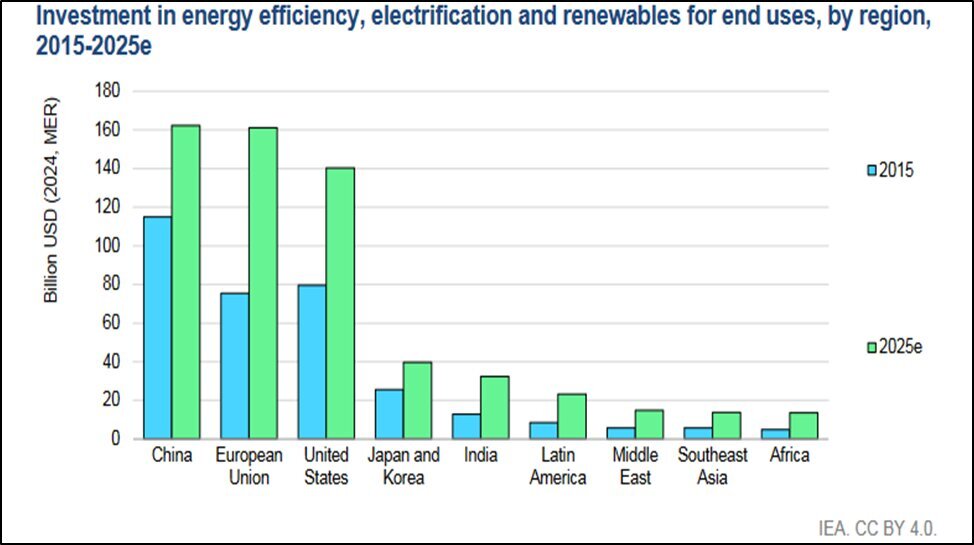
The significant increase in investment by countries such as China, Japan, the European Union, India, the United States, Southeast Asia, the Middle East, and Africa in the field of renewable energy efficiency and development between 2015 and 2025 indicates a global consensus on the need to transition to a sustainable energy system. This trend clearly emphasizes that the future of the world's energy will be based on clean and renewable sources.
The economic outlook for renewable energies
The continuous decline in the cost of generating electricity from wind and solar sources has made these sources a more affordable option than fossil fuels in many regions and has led to an increasing global trend towards renewable energies. At the same time, investment in clean energy is growing globally, although its main focus remains in China, the United States, and Europe.
In Iran, along with these global developments, the challenge of energy imbalance has become one of the key issues, and the need to develop renewable resources is felt more than ever. In recent years, plans have been made to develop clean energy from renewable sources in the country, and among these, the role of large mining industries in providing sustainable energy for development projects has gained special importance.
Copper Company and Sustainable Energy Supply
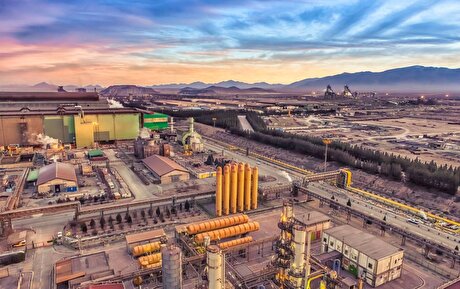
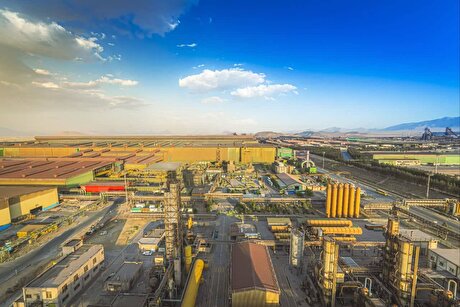
The National Iranian Copper Industries Company (NICICO), as one of the largest industrial and mining institutions in the country, needs a sustainable, reliable, and affordable energy supply to achieve the goals of multiplying production in the mining and downstream industries sector - in accordance with the Seventh Development Plan. Given the limitations in electricity supply and energy imbalance, this company has taken practical and effective steps towards providing low-cost and sustainable energy by investing in solar and wind power plants.
Big industries' commitment to building clean power plants
Based on a memorandum of understanding signed in 2021 between the Ministry of Energy and the Ministry of Industry, Mine and Trade, the country's major industries were required to build 10,000 megawatts of power plants.
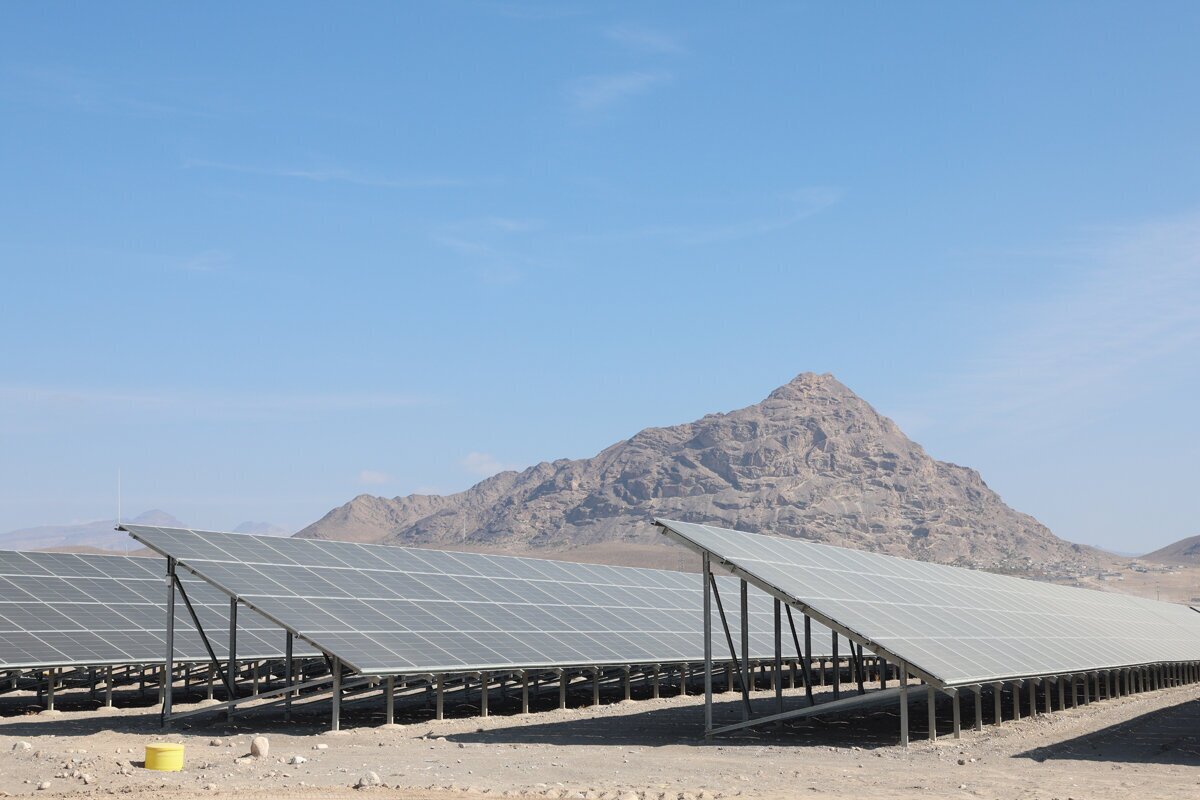
In line with this commitment, the National Iranian Copper Industries Company (NICICO) has put two solar power plants with a capacity of 30 MW (25+5) into operation in Kerman Province since the summer of 2024. These power plants have created significant innovation in the country's renewable power plant industry by utilizing advanced technology of high-efficiency bifacial solar cells and state-of-the-art systems.
Projects under implementation and development
Currently, in line with its national and environmental commitments, the National Iranian Copper Industries Company has two large-scale solar power plants of 320 MW and 150 MW in Kerman Province and a 250 MW solar power plant in East Azerbaijan Province on its agenda. The first phase of each, with a total capacity of 300 MW, is under construction and is expected to be operational by the end of next year.
Also, with the installation of wind measurement towers, studies have been conducted to construct at least 50 MW of wind power plants, and studies to develop solar power plants are also underway simultaneously. By completing these projects in three stages, approximately 1,000 megawatts of renewable power plant capacity will be added to the country's electricity production capacity, and it is expected that by the end of 2031, the National Iranian Copper Industries Company (NICICO) will rank first in the country in renewable electricity production.
Conclusion: Clean energy guarantees the continuity of production
Within the framework of the strategy to increase production resilience and sustainable development in the mining industries, facing energy imbalances that lead to production shutdowns during peak electricity and gas consumption in the hot and cold seasons is an inevitable challenge.
Meanwhile, the National Iranian Copper Industries Company, by adopting preventive policies and intelligent management of energy imbalances, has been among the companies that have experienced the least production stoppages due to energy restrictions over the past three years.
Strategic reliance on renewable energies, especially solar energy, is not only an economic solution, but also a key factor in ensuring the continuity of production and creating sustainable confidence in the path of development.
In a world where the limitation of fossil resources and the consequences of climate change have made the transition to a "green industry" a global necessity, the National Iranian Copper Industries Company's move to develop clean energy provides a clear model of environmentally friendly industrial development.
By: Afsaneh Hosseini
Related News
Top News
Eleven Days ago
Eleven last month