





Milei’s win cements US partnership in Argentina’s mining

me-metals: Argentina’s bid to unlock its vast lithium, copper, oil and gas reserves has gained fresh momentum after President Javier Milei led his far-right party to a landslide victory in Sunday’s midterm elections.
According to me-metals cited from mining.com, The sweeping win consolidates his hold on power and strengthens his alliance with Washington, analysts say. It follows two turbulent years marked by Milei’s radical spending cuts and deregulation measures aimed at stabilizing the economy. The victory also comes after a campaign in which US President Donald Trump announced a $20-billion bailout for Argentina and tied continued aid to Milei’s success at the polls.
As Milei’s administration embarks on the second half of its term, analysts say the political stability provided by this result could prove decisive for Argentina’s efforts to develop its energy and mining potential.
Milei rose to power on a wave of outsider appeal but without an established political base. His coalition, La Libertad Avanza, remains fragile, and a 14-point defeat in Buenos Aires province exposed the limits of his combative style.
“Milei understands he must now build consensus,” political reporter Gabriel Ziblat said ahead of the elections. “He can’t govern by aggression alone.”
Despite earlier political uncertainty, Argentina’s economy has shown rare signs of stability. The US Treasury’s support package underscored Washington’s initial strategic bet on Milei’s reforms and the country’s mineral wealth, a bet that could potentially reach $40 billion. “It’s a major wager,” Ryan Berg of the Center for Strategic and International Studies, said last week. “If Argentina succeeds, it could become the model for deeper US partnerships across Latin America.”
Before the midterms, analysts had cautioned that a loss of more than 10 points could trigger market volatility and weaken Milei’s congressional leverage. Instead, his decisive win gives him the political space to continue his reform program and pursue deeper ties with Washington.
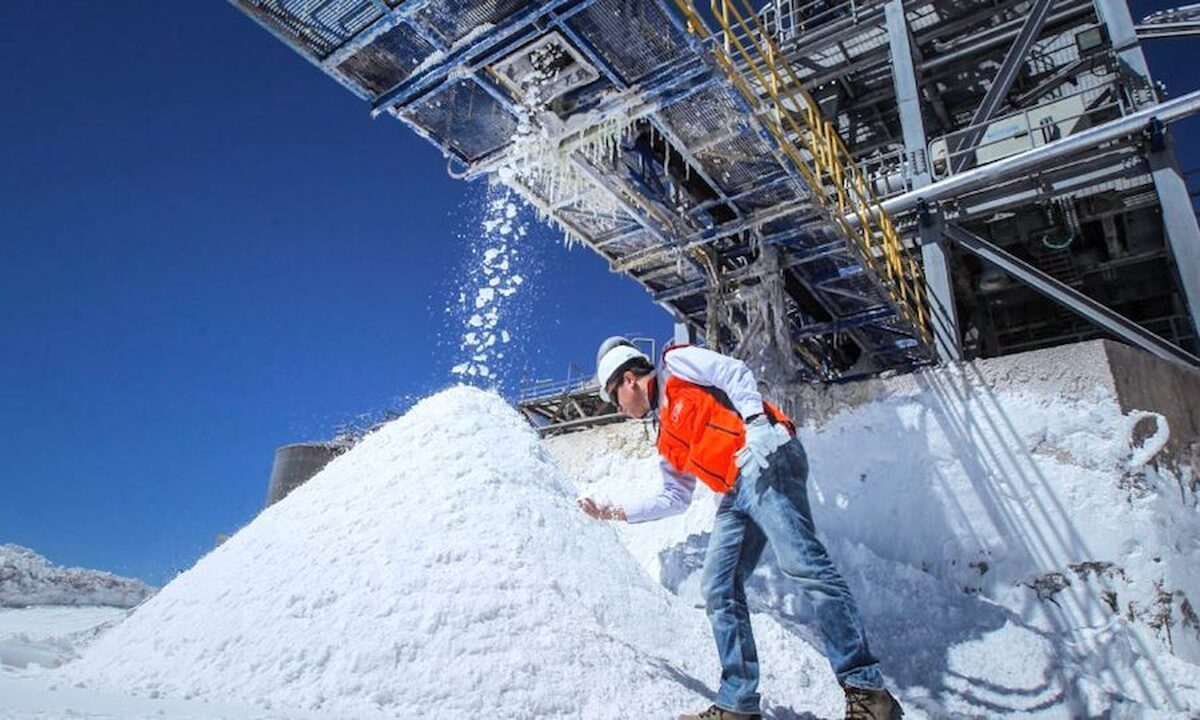
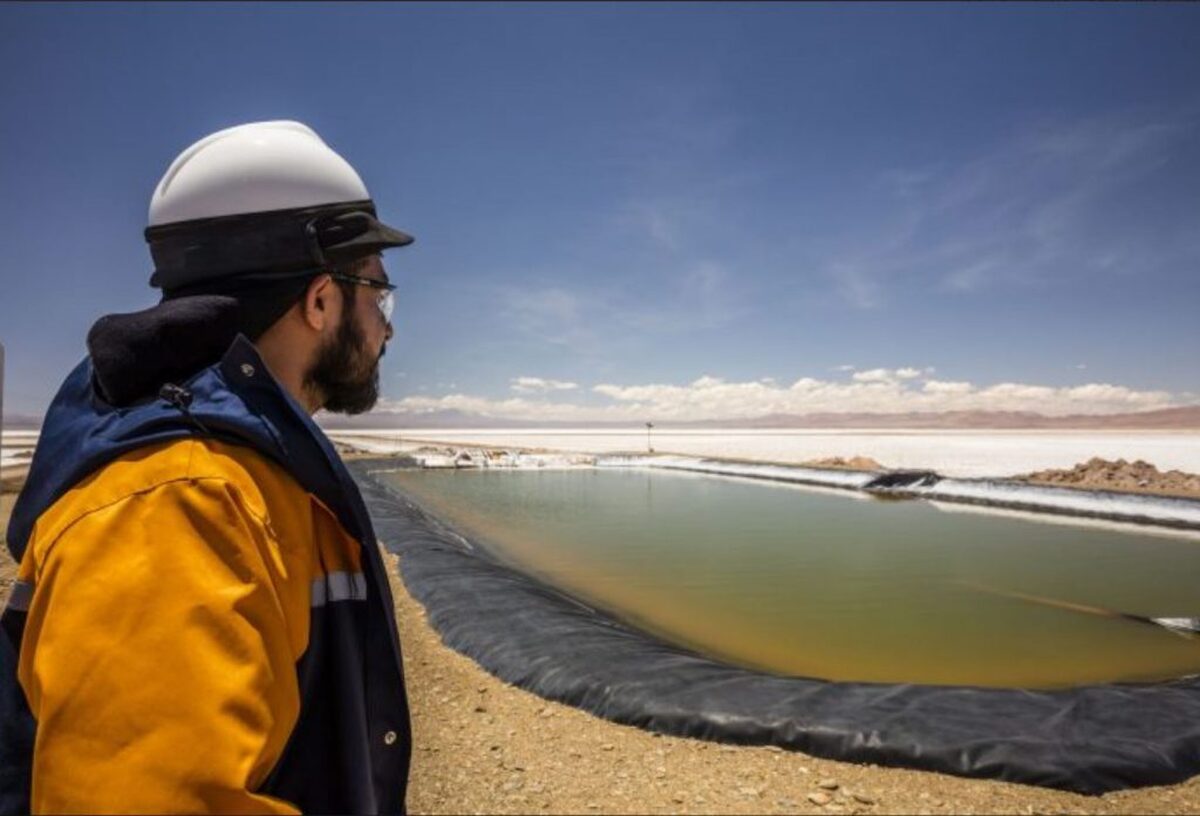
Lithium, oil and gas
For investors, Argentina’s natural resources remain a powerful draw, provided infrastructure and political stability catch up. “The provinces are where the real opportunities lie,” Argentine journalist Guadalupe Vázquez said. “But none of it works if the macroeconomy collapses.”
Ziblat argued that credible macroeconomic management and deeper provincial engagement from foreign investors, especially from the US, will decide whether the mining sector accelerates or stalls. Berg described Washington’s $20-billion Exchange Stabilization Fund commitment as both a strategic gamble on Milei’s reform path and a signal that Argentina can offer predictable conditions for large-scale projects. Confidence, he noted, is crucial in mining, where long lead times and heavy capital costs demand policy continuity.
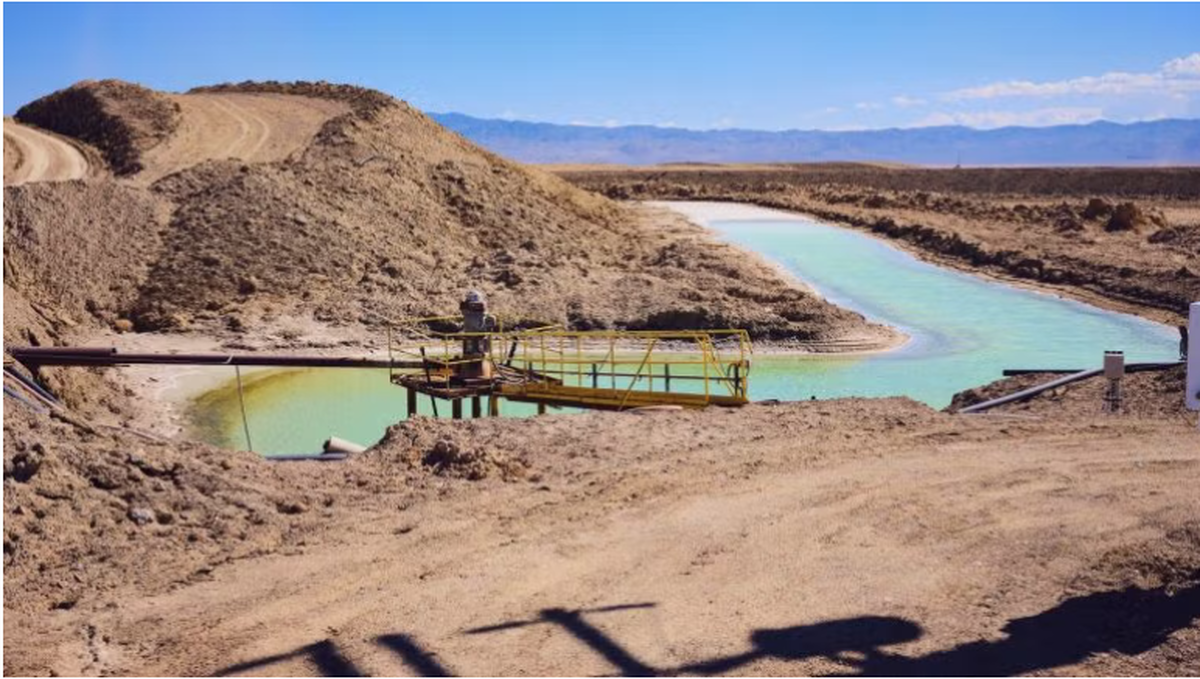
Not since the free-market revolutions of 1990s Eastern Europe has a leader attempted to rewrite the investment playbook so completely, and so quickly, as Milei. Already, he’s witnessed the $4.1-billion BHP (ASX: BHP) and Lundin Mining (TSX: LUN) tie-up over Filo Corp. in the country, as well as Rio Tinto’s (ASX: RIO) $6.7-billion purchase of Arcadium, which has two of its three lithium projects in Argentina.
Infrastructure and stability
Infrastructure, however, remains the sector’s main bottleneck, the panellists said. Many high-grade deposits sit far from paved roads and export hubs, inflating costs and slowing timelines. Analysts pointed to the revival of the Belgrano Cargas state-owned freight network, now moving to tender with open-access rules that allow mining firms to operate their own trains, as evidence that the government is prioritizing logistics to connect northern mining provinces with ports.
Integrating rail into mining production enables the sector to move large volumes of raw materials and key components required for the installation and operation of mining projects, a costly process demanding major investment, they said.
Clear rules
Regulatory stability is emerging as the other critical pillar. The government’s Regime for Large Investments (RIGI) seeks to anchor multibillion-dollar projects with tax and legal certainty while promoting coordination with provincial governors, who control key mining permits under Argentina’s federal system. Panellists said US firms should “go local,” following China’s province-level strategy that has led to swift deals often bundled with infrastructure.
If the current policy mix endures, analysts expect an industrial and export surge led by the Vaca Muerta shale formation. Oil alone could generate about $30 billion annually within five years, which is roughly on par with Argentina’s historic soy exports. Shale gas, lithium and potential copper output could further strengthen the country’s role in global energy transition supply chains.
However, market jitters over exchange-rate policy and election outcomes can quickly unsettle financing conditions, panellists warned. Sustained coalition-building and disciplined communication will be as vital as the legal framework itself.
The consensus is that Argentina’s geology offers a rare opportunity, but only consistent rules, reliable infrastructure and a durable US–Argentina alignment will turn resources into revenues.
With a strengthened mandate and unprecedented US financial backing, Milei now faces his greatest challenge yet: translating political dominance into lasting economic transformation.
source: mining.com
Related News
Ten last month
Ten last month
Ten last month
Ten last month
Ten last month
Ten last month
Ten last month
Ten last month
Ten last month
Ten last month
Top News
Eleven Days ago
Eleven last month