










US and Japan strike rare earths deal

me-metals: The United States and Japan have signed a framework agreement to secure the supply of rare earths and critical minerals, aiming to reduce reliance on China’s dominant position in the global market.
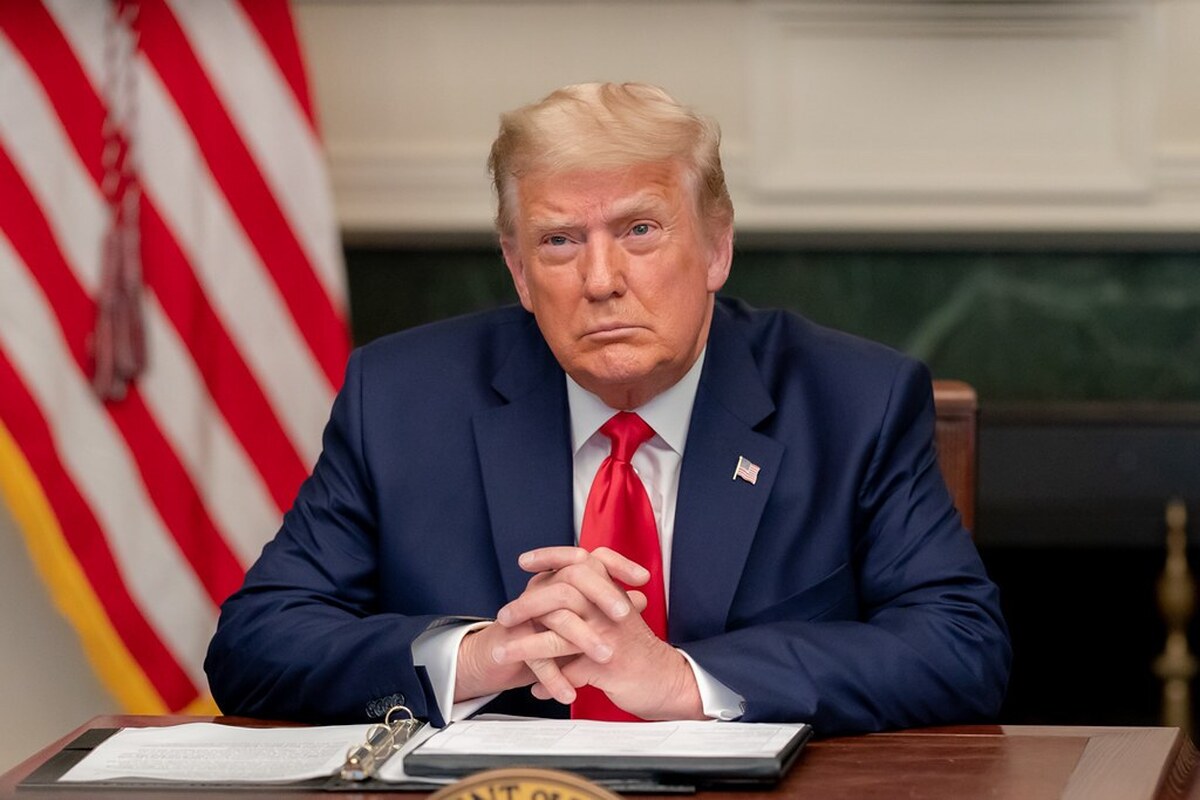
According to me-metals cited from mining.com, US President Donald Trump and Japanese Prime Minister Sanae Takaichi inked the deal during Trump’s visit to Tokyo, part of his week-long tour of Asia. The document covers cooperation on extraction, recycling, stockpiling, and investment in mineral supply chains vital to the defence, automotive, electronics, and energy sectors. While the deal outlines a range of policy measures, it includes no direct financial commitments.
Both governments also released a list of projects in the fields of energy, artificial intelligence, and critical minerals, with Japanese companies eyeing investments of up to $400-billion in the US.
The White House hailed the agreement as the foundation of a “new golden age of the ever-growing US–Japan alliance.” Much like similar agreements made with Australia and Malaysia in recent weeks, the agreement with Tokyo includes commitment from both countries to mobilize government and private investment to boost domestic mining and processing. The parties also pledged to jointly identify key projects and gaps in the supply of rare earths and derivative products such as permanent magnets, batteries, catalysts and optical materials.
Price floors
The framework includes a pledge to deter strategic asset sales and maintain pricing mechanisms that reflect the true cost of responsible extraction. BMO commodities analysts pointed to the agreement’s implicit support for price floors, a topic gaining traction since the US Department of War set a $110/kg floor for NdPr in its deal with MP Materials (NYSE: MP).
Takaichi is Japan’s first female leader, rising to power following the assassination of Shinzo Abe in 2022. Abe was the first foreign leader to meet Trump after his 2016 election win, and the two developed a close relationship over multiple rounds of golf in both countries.
Trump is scheduled to meet Chinese President Xi Jinping in South Korea on Thursday. US and Chinese negotiators have reportedly prepared the groundwork for discussions on a possible trade deal, with rare earths expected to feature prominently.
China, which accounts for the majority of global rare earth production, imposed supply restrictions in April in response to US tariffs. It expanded those measures this month, now requiring export licences for goods containing even trace amounts of certain rare earth elements.
source: mining.com
Related News
Top News
Eleven Days ago
Eleven last month