




Perpetua Resources starts building $1.3B Stibnite gold-antimony mine

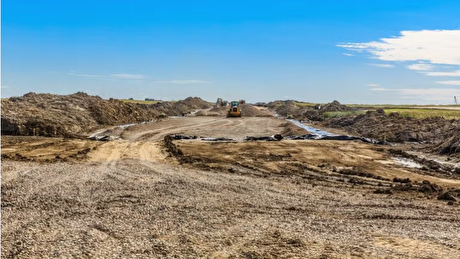
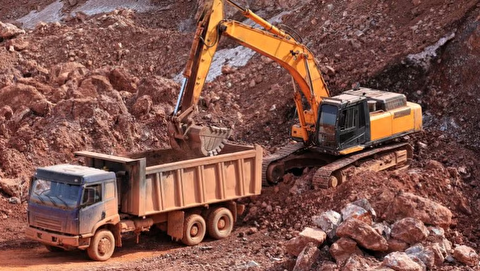
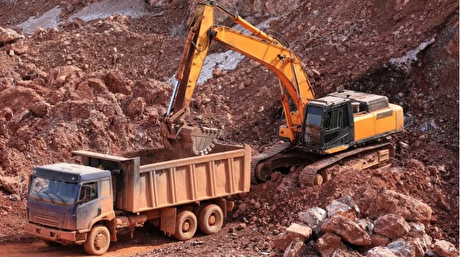
me-metals: Perpetua Resources (NASDAQ, TSX: PPTA) has begun early works construction at its $1.3 billion Stibnite gold-antimony project in central Idaho, which was fast-tracked by the Trump administration as part of efforts to strengthen the US critical minerals supply chain.
According to me-metals cited from mining.com, The milestone follows the company’s posting of $139 million in financial assurance and confirmation from the US Forest Service (USFS) that all pre-construction conditions have been met. The USFS issued its record of decision in January and granted final federal approval in May.
“Today, we break ground on the Stibnite gold project,” CEO Jon Cherry said in a statement. “As America’s answer to China’s antimony export bans, we are focused on swiftly and safely bringing our antimony and gold project into development.”
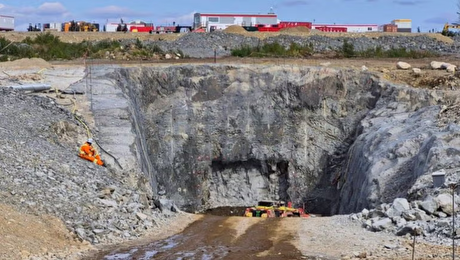
Cherry said that after nine years of permitting, the project would both deliver critical minerals and restore an abandoned mine site.
“With our reclamation performance bond to reclaim the work we undertake at the project site in place, we officially started early works construction today and are making good on our promises to Idaho and America,” he said.
Strategic critical mineral
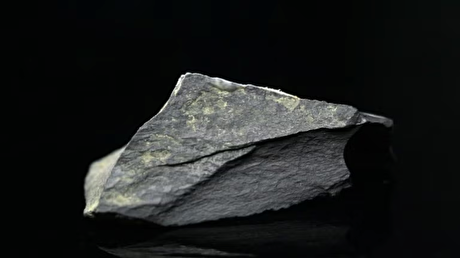
The Stibnite project is set to produce roughly 450,000 ounces of gold annually, supported by proven and probable reserves of 148 million pounds of antimony and more than 6 million ounces of gold. It is the only known US source of antimony, a mineral essential to defence systems, energy storage, and semiconductors, and one of the largest deposits outside China’s control.
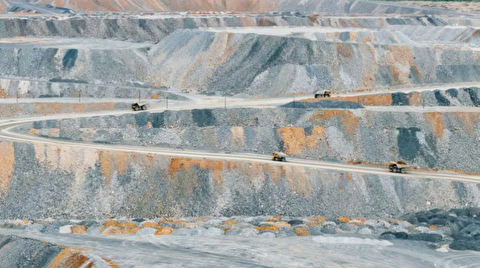
Once in production, Stibnite could supply about 35% of US antimony demand during its first six years of operation, according to the 2023 US Geological Survey. The project is expected to be among the highest-grade open-pit gold mines in the country, averaging 450,000 ounces of annual production over its initial four years.
Perpetua plans to create about 950 direct jobs during construction and 550 during operations.
The company is also advancing financing discussions, with preliminary backing from the US Export-Import Bank’s Make More in America and China Transformational Export programs. The proposal includes up to $2 billion in debt financing, with final board review expected in spring 2026.
Environmental concerns
Perpetua has said the final mine plan was redesigned to shrink the project footprint by 13%, improve stream and wetland conditions, and reconnect fish habitats. The company has pledged to restore legacy environmental damage from past mining activity in Idaho’s Stibnite-Yellow Pine district, about 222 kilometres northeast of Boise.
Despite these measures, the Nez Perce Tribe has opposed the project, citing potential risks to salmon populations and downstream ecosystems. The site was a key antimony supplier during World War II and now hosts 104.6 million proven and probable tonnes grading 1.43 grams gold per tonne and 0.064% antimony, for a total of 4.8 million ounces of gold and 148 million pounds of antimony, according to feasibility data.
source: mining.com
Related News
Top News
Eleven Days ago
Eleven last month