










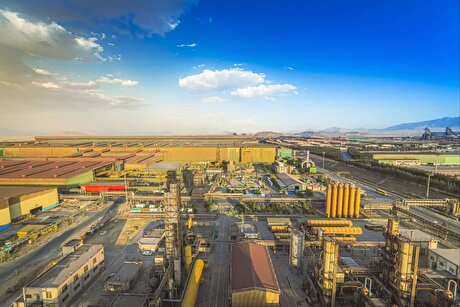


Maanshan Iron & Steel orders new Danieli continuous caster

According to me-metals cited by mining.com, Shipments of magnets to the US dropped 21% in August to 512 tons from the month before, according to Chinese customs data released on Sunday. The industrial components — along with other types of rare-earth products — became Beijing’s greatest point of leverage over Washington in trade negotiations last year.
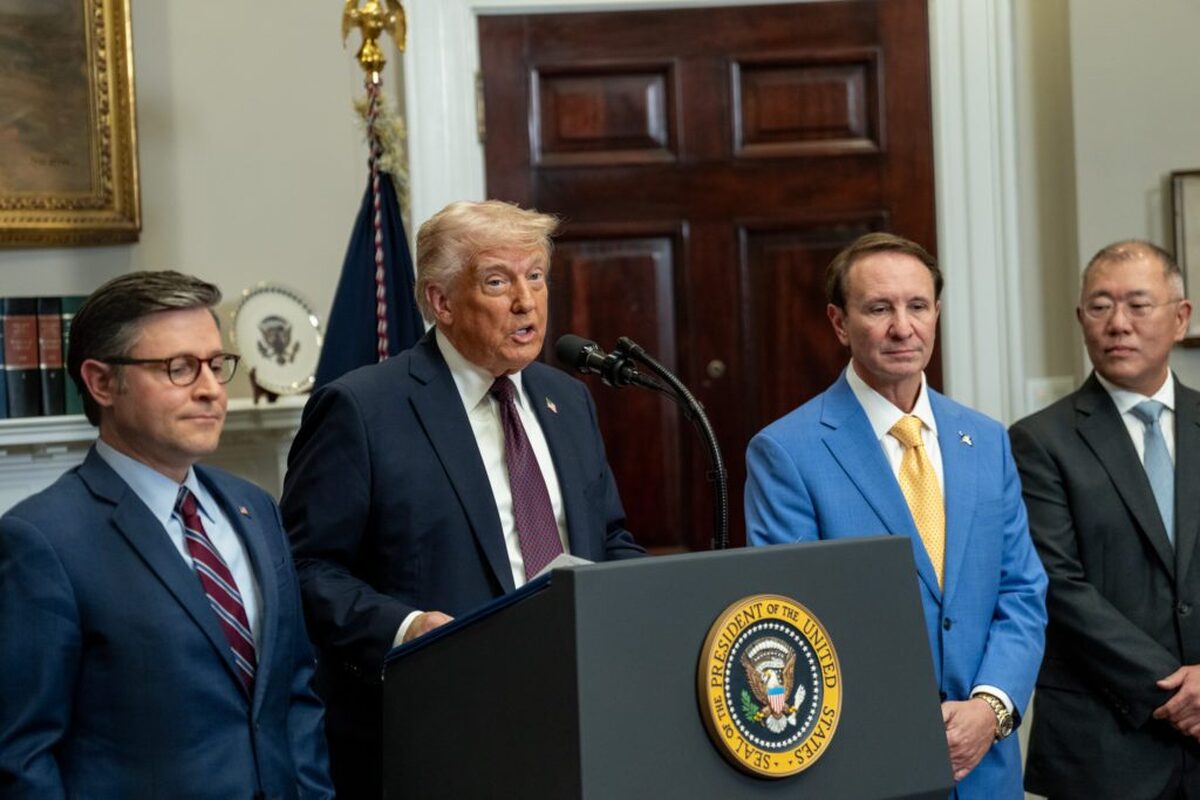
President Donald Trump and Chinese leader Xi Jinping are due to meet in the US capital on Thursday to flesh out their approach to topics ranging from trade to artificial intelligence. Ahead of that, top US negotiators signaled rare earth flows were a sticking point and may mean that the truce — which expires November — may be extended only by three to six months.
“I think a lot of it is because China has created this uncertainty,” US Trade Representative Jamieson Greer said in a Monday interview with Bloomberg Television after talks in New York with his Chinese counterparts. “They have limited rare earths exports. They control them, we monitor them, and I think just saying we have full confidence and trust with each other at this point is a little naive.”
China imposed controls on exports of rare-earth magnets — used in everything from cars to consumer goods and weaponry — in April 2025, although they were subsequently eased. The industry is keenly waiting for the outcome of the Xi-Trump talks as they come before the expiration of a US-China trade truce, which includes commitments by Beijing to maintain flows of critical minerals by issuing more generous export licenses.
China hopes to offer more licenses for rare earth exports as a bargaining chip in talks, people with familiar with the matter said, without disclosing what Beijing would demand in return.
“Washington needs stability with Beijing to keep these critical inputs moving,” Chris Kennedy, lead for economic statecraft at Bloomberg Economics, said in a note. “Yet periods of calm that restore access to lower-cost Chinese material weaken the urgency for the US to break its dependence on China.”
Shipments slumped in May last year, but quickly recovered. They’re running at an average of about 504 tons a month this year, although that’s still below 621 tons in 2024 before the curbs. Chinese customs data shows that direct exports of rare earths including yttrium, dysprosium and terbium — subject to export controls — have also dropped compared with previous years.
In May, Greer gave Beijing a “passing grade” for its performance in keeping flows of critical minerals going. US Treasury Secretary Scott Bessent said in July that China should “fully meet its commitments.” Bessent and China’s Vice Premier He Lifeng are holding talks in New York ahead of the leaders’ meeting.
source: mining.com


